
The Shift from Static to Digital in Street Furniture Advertising
Street furniture advertising is shifting from static posters to digital screens. This transformation boosts engagement, targeting, and interactivity, offering brands a modern way to connect with urban audiences while making cities smarter and more connected.
Published July 10, 2025 · Updated April 13, 2026
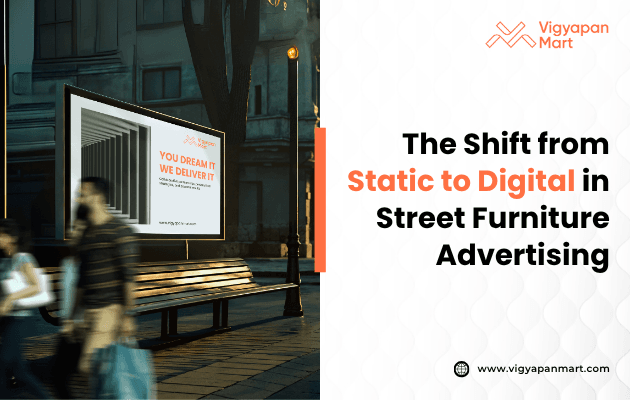
Street furniture advertising has been around for a very long time. At first, people saw ads on things like benches, bus shelters, and kiosks. These were usually posters or painted signs, which are called "static" advertisements because they don’t move or change. But over the last decade, something big has changed. More and more, these static ads are being replaced by digital screens that can show moving images, videos, and even interactive features. This shift from static to digital is changing how companies grab your attention while you walk, ride, or wait around the city.
What is Street Furniture Advertising?
Street furniture advertising means putting ads on public items that people use every day. These often include:
- Bus shelters
- Benches
- Kiosks
- Bike shares
- Urban panels
Street furniture ads reach people where they live and travel. Because they are at eye level, people waiting for the bus or walking by will see these ads easily. In fact, research shows that 85% of people who notice out-of-home ads remember street furniture advertising, and 24% make a purchase soon after seeing such ads.
How Did Static Ads Dominate the Past?
For many years, static ads were the main way companies advertised on the streets. Static ads are:
- Printed posters or vinyl wraps
- Painted signs or murals
- Billboards with a single image
These static ads are simple to create and last for weeks or months. They give a brand “100% share of voice” in one spot, meaning only one ad is seen at a time. They are helpful for long-term exposure, brand awareness, and reaching a large number of local people. However, static ads are hard to change quickly. If a company wants to show a new message, they must print and install a new poster, which costs time and money.
Why the Move to Digital? Key Changes and Facts
Digital street furniture advertising, also known as Digital Out-Of-Home (DOOH), has become much more popular since the early 2000s. This shift happened because digital ads offer many benefits:
1. Dynamic Content and Real-Time Updates
- Digital screens can show moving images, videos, and even live data.
- Ads can change based on time, weather, or even local events.
- Companies can update messages instantly without printing new material.
2. Higher Engagement and Interactivity
- Digital screens are more eye-catching.
- Some digital ads let people use their phones to interact—like scanning a QR code to get a coupon, play a game, or visit a website.
- Studies show full-motion digital screens are three times more impactful than static ones, and with interactive technology, effectiveness can go up to eight times higher.
3. Targeted and Measurable
- Digital street furniture can use data and analytics to target ads more effectively.
- Brands can show different ads to different audiences at different times.
- It’s easier to track how many people see and respond to digital ads, helping companies measure success.
4. Cost and Flexibility
- Digital ads might be more expensive at first, but changing them is cheaper and quicker.
- Brands don’t pay to print new posters each time, they just upload a new design.
What’s Happening in the Real Market?
- The global street furniture advertising market was worth about $15 billion in 2025 and is growing by about 7% each year.
- Almost half (49%) of people notice digital street furniture ads. After seeing them, 69% take an action, like searching for the advertiser or visiting their store.
- 62% of those who see digital street furniture ads use their phones to scan a QR code, download an app, or even make a purchase.
- North America and Europe are leading the trend, but Asia-Pacific is growing quickly as cities expand.
Static vs. Digital: What’s the Difference?
| Feature | Static Ads | Digital Ads |
|---|---|---|
| Update Speed | Slow (needs reprinting) | Instant (digital upload) |
| Content Type | Single image only | Videos, animations, live |
| Interactivity | None | High (QR codes, apps) |
| Targeting | General audience | Specific, timed, dynamic |
| Measurement | Hard to track | Data-driven, trackable |
| Initial Cost | Lower | Higher (but flexible long-term) |
Why Does This Shift Matter?
Digital street furniture ads are transforming cities. They make streets look more modern and allow advertisers to create smarter, more creative messages. For businesses, this means:
- Reaching the right people at the right time
- Changing ads to match weather, time, or events
- Getting real statistics on how many people react to their ad
For people, it means ads that are more fun, helpful, and sometimes even interactive such as giving directions to a store or offering digital rewards right away.
What’s Next? Future Trends
The next wave in digital street furniture advertising includes:
- Smart benches and kiosks that integrate with WiFi, charging stations, or public information screens
- Augmented reality experiences, so you can play with ads using your phone or see products in 3D
- More sustainable solutions using solar power and eco-friendly designs
- Programmatic buying will become mainstream where ads are purchased and scheduled by computers for better targeting
Conclusion
The shift from static to digital in street furniture advertising is making our cities smarter and more connected. It helps brands talk to people in creative, timely, and effective ways. Digital ads are not just replacing posters, they are bringing public spaces to life. Next time you’re about to launch your next street furniture advertising campaign, explore smart street furniture advertising technology that can transform your campaigns into more than just a picture and make them dynamic, interactive brand engagement points. For exploring them more, connect with Vigyapan Mart experts today.
Subscribe to our newsletter
Get updates instantly! Join our community for the latest marketing insights.