
Transit Advertising Boom: Trends and ROI in 2026 India
Transit advertising in India is surging in 2026 as metros buses autos and airports deliver massive daily reach. With low CPM smart technology and measurable ROI transit OOH ads offer brands affordable high impact visibility across cities and tier 2 markets.
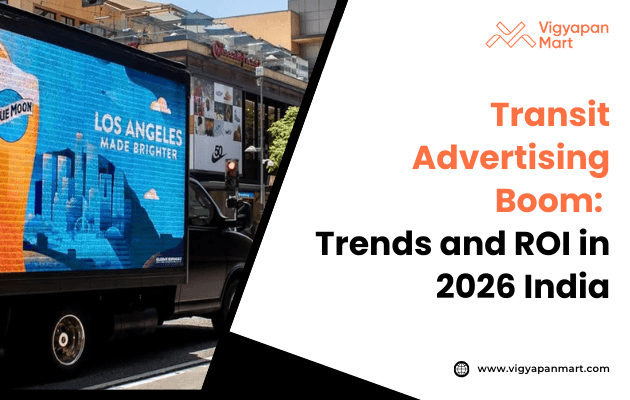
In 2026, transit advertising in India is on fire. How? Every day, over 1.4 billion people travel by buses, metros, trains, autos, and airports. That is a powerhouse opportunity for brands looking for more market penetration. Results? Brands are jumping in with ads on these moving billboards. The OOH advertising is growing fast and is expected to touch ₹7,000 crore this year. Why this boom? Urban crowds are back, metros are exploding in cities like Delhi and Mumbai; Tier-2 cities are seeing digital screens on buses and autos. Altogether, these factors are preparing a growing curve for transit OOH advertising. In this blog, we will talk about the rise of transit advertising in 2026, transit advertising trends, and real brands riding on this wave.
The Transit Advertising Surge in 2026
Transit advertising means ads on public transport such as bus wraps, metro panels, auto stickers, train sides, and airport trolleys. These ads move and engage with hundreds of people at multiple locations. In 2026, the OOH sector is set to grow at 15% yearly. Metro lines are being prepared in Tier-2 cities to carry lakhs of riders daily. Electric buses in Bengaluru and Pune have started to use digital screens.
Results?
These screens reach folks who don’t interact well with smartphones and TV as well. Digital transit ads with QR codes, AR, and links are making the transit ads affordable, attractive, innovative, and high-reach. Moreover, there is no skipping like on Instagram Reels. Hence, brands love it and people, too.
Top Trends Shaping Transit Ads in 2026
1. Hyper-Local Ads
Brands are moving towards hyper-local ads using GPS tech, local dialect, custom, and real-time changes. These ads can change the message by route. For example, food can offer lunch deals near offices or festival offers in markets with GPS tracking and AI.
2. Green Ads
Solar-powered ad panels on EV buses match eco-brands like electric cars. Such digital ads not only promote your brand but also establish it as a thoughtful business, attracting new decision-makers. Not to forget that the Government is also pushing transit ads with green norms.
3. Short Video Tie-Ups
Brands can use small influencers or local creators to boost their reach in a particular region. For example, using QR codes on metro panel ads leading users to Instagram reels can boost your brand awareness. The audience will directly see the influencer's video, further boosting shares.
4. Data Tracking
OOH ads were not precise and were heavily dependent on guesswork. But no more! New technologies like QR codes, GPS, and AI can help you count footfall and scans, giving live reports. Also, such technology can boost reach to small towns where regional languages dominate.
Measuring ROI of Transit Advertising
ROI in transit ads is highly attractive to brands. These ads are often very affordable as they use public transport and small vehicles such as autos. The average cost per thousand views (CPM) is ₹50-150, cheaper than most of the other OOH ad methods. Now, considering the reach, one bus ad can reach up to 50,000 eyes daily in a city. Check this table of real benchmarks from 2025 Indian campaigns:
| Metric | Transit Avg. | Digital Ads |
|---|---|---|
| Daily Impressions | 50,000+ per vehicle | 10,000 |
| Conversion Boost | 15–20% sales lift | 8–12% |
| Cost per Sale | ₹30–60 | ₹80–120 |
- Case one: Zomato's 2024 Delhi Metro wraps drove 25% more app downloads in one month (as per their report).
- Case two: Tata Motors' Tier-2 bus ads in 2025 lifted inquiries by 18% (company data).
Challenges and Future Outlook
The future of transit ads is bright, but there are several challenges brands must solve:
- Vandalism
- Delay from the city authorities
- Complex OOH ad rules.
- Ad clutters
- Poor count
All these challenges are real. How can you solve that? Here are some simple solutions:
- Use tough and high-quality vinyl.
- Consult with an experienced and seasoned transit advertising agency in India.
- Design your ad in unorthodox ways.
- Go green with digital transit ads.
- Use tools like Google Analytics track QR scans to sales.
The future of transit advertising shows the rise of hybrid DOOH and AI picking up the best routes.
Conclusion
Transit advertising in 2026 India is a smart bet for brands. AI-local ads, green tech, and data-based advertising; these trends are reshaping Indian transit advertising, offering brands and small businesses an affordable way to reach millions of people in cities and rural areas. Yes, there are challenges, such as weather, laws, and delays, but there are better solutions for them. Looking to launch your next out-of-the-box and trendy transit ad campaign for your brand? Connect with Vigyapan Mart experts today.
Subscribe to our newsletter
Get updates instantly! Join our community for the latest marketing insights.