
Eco-Friendly RWA Campaigns: Trends & Examples
Eco friendly RWA campaigns promote sustainability while enhancing real world assets. From solar powered signage to circular economy practices, brands are embracing green initiatives. This blog explores key trends and inspiring examples shaping responsible advertising in 2025.
Published April 13, 2026
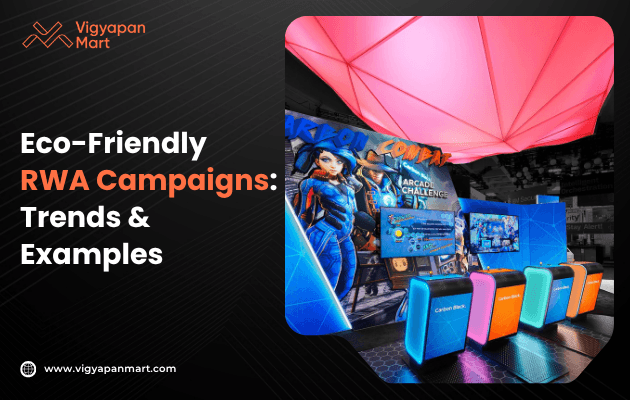
In recent years, sustainability has become a top priority for businesses and communities alike. One important area is Real-World Asset (RWA) campaigns, where companies promote products, services, or initiatives connected to tangible, physical things like homes, land, or community projects. Eco-friendly RWA campaigns focus on protecting the environment while helping these assets thrive. This blog explores current trends in eco-friendly RWA campaigns and shares examples to inspire readers.
What Are Eco-Friendly RWA Campaigns?
Eco-friendly RWA campaigns promote real-world assets in ways that reduce harm to the environment. The goal is to encourage greener choices, whether through energy efficiency, waste reduction, or using clean energy. These campaigns often highlight eco-conscious products, responsible building practices, or community efforts to maintain nature’s balance.
Key Trends in Eco-Friendly RWA Campaigns in 2025
1. Green Media Buys and Renewable Energy Usage
Advertisers increasingly choose media platforms that align with environmental goals. One popular trend is using solar-powered digital signs or displays, which operate without consuming fossil fuels. These signs reduce the carbon footprint of campaigns while reaching audiences effectively. More brands are also buying ad space through platforms that measure and offset their carbon emissions.
2. Transparency and Authenticity in Messaging
Gone are the days of vague “green” claims. People want honesty and proof that brands are truly committed to sustainability. The most trusted campaigns share clear goals, third-party certifications, and local community actions. They avoid “greenwashing” and focus on real environmental benefits consumers can believe in.
3. Circular Thinking in Materials and Packaging
Eco-friendly campaigns promote the use of recycled and biodegradable materials. For example, print ads may use FSC-certified paper and soy-based inks. Displays and packaging are designed to be reused, recycled, or composted. This circular approach keeps waste out of landfills and shows consumers a brand’s concrete commitment to sustainability.
4. Leveraging Smart, Sustainable City Platforms
Many cities now support advertising on sustainable and smart infrastructure. Solar-powered kiosks, sensor-driven signage, and digital street furniture help brands engage customers while supporting green urban growth. These city-owned platforms are energy efficient and often backed by environmental policies, making them ideal for eco-friendly RWA campaigns.
5. Aligning with Community and Government Goals
To be effective, eco-friendly campaigns link with local climate or sustainability initiatives. Collaboration with governments and communities adds credibility and creates shared impact. Some campaigns even advocate for stronger environmental rules or partner with coalitions pushing for greener policies.
Examples of Successful Eco-Friendly RWA Campaigns
Solar-Powered Signage Campaigns
A leading example comes from companies deploying solar-powered digital signs in neighborhoods and public spaces. These signs run on clean energy and have minimal upkeep costs. Advertisers benefit from high visibility while dramatically cutting energy use and pollution compared to traditional signs.
Sustainable Building Promotions
Real estate campaigns promoting eco-conscious homes highlight energy-saving features, such as solar panels, rainwater harvesting, and sustainable materials. These campaigns educate buyers about the benefits of green homes while supporting demand for eco-friendly construction practices.
Community-Led Recycling Drives
In some neighborhoods, local organizations run campaigns encouraging residents to recycle and reduce waste. These campaigns use print and digital ads with recycled materials and partner with city programs. Their authenticity and local focus boost trust and participation.
Brands Supporting Circular Economy
Certain RWA campaigns promote products and services built on circular economy principles. This means products are designed to be reused, repaired, or recycled. Campaigns show the lifecycle impact of their offerings, inspiring customers to choose products that reduce environmental impact.
Why Eco-Friendly RWA Campaigns Matter?
These campaigns help businesses stand out in a crowded market by meeting growing consumer demand for sustainability. They also contribute positively to the planet by lowering emissions, cutting waste, and using renewable resources. For communities, eco-friendly campaigns promote awareness and stronger local environmental action. Together, they build a more sustainable future.
How to Start an Eco-Friendly RWA Campaign?
- Choose sustainable media platforms, like solar-powered or carbon-offset digital signs.
- Be transparent in messaging; share real goals and certifications.
- Use recycled, biodegradable, or reusable materials in print and packaging.
- Collaborate with local governments and communities.
- Focus on supporting real environmental actions, not just words.
Conclusion
Eco-friendly RWA campaigns are the future of advertising. They protect the planet, build stronger communities, and make brands more trusted. In 2025, being green is not just a choice but a responsibility every brand should take seriously. Small changes like using solar-powered signs or recycled materials can make a big difference. When brands speak honestly and act responsibly, people listen and join the movement for a healthier world. At Vigyapan Mart, we believe in walking the same path with you. Our team is here to guide you in creating campaigns that care for both your assets and the environment. Let’s design ideas that shine bright for your brand and for the planet.
Subscribe to our newsletter
Get updates instantly! Join our community for the latest marketing insights.