
Urban Storytelling: Using Street Furniture to Narrate Brand Journeys
Street furniture advertising is more than utility; it’s a storytelling tool. Brands use benches, bus shelters, and kiosks to narrate journeys at eye level, creating immersive, interactive, and memorable experiences that connect with diverse urban audiences every day.
Published April 13, 2026
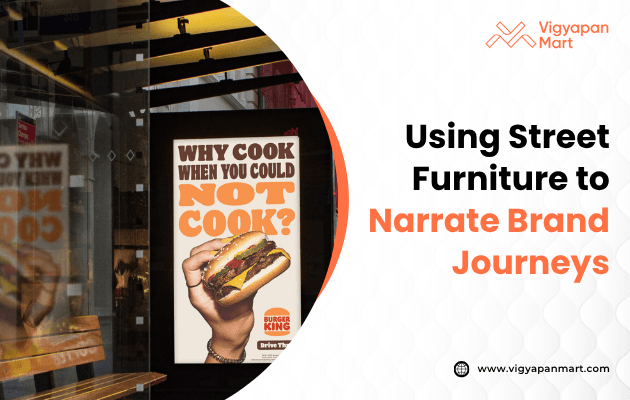
The Power of Urban Storytelling
Cities are like living stories. Every corner, wall, and shelter tells us something about the people who live there. One of the most exciting ways brands connect with us in these spaces is through street furniture. This includes benches, bus shelters, kiosks, and even cleverly designed bike racks. But street furniture goes beyond being just useful, it can narrate a brand's journey right where life happens each day.
What is Street Furniture?
Street furniture refers to the objects and structures placed in public spaces to help people relax, wait, or navigate their city. Think about the last time you sat on a public bench, waited at a bus stop, or parked your bike at a rack. Chances are, you were surrounded by the subtle presence of a brand’s message.
Street furniture includes:
- Bus shelters
- Benches
- Kiosks
- Trash bins
- Bike racks
Placing ads or messages on these items is smart because they are found in high-traffic places where they catch everyone’s attention.
Why Use Street Furniture for Brand Storytelling?
Brands love street furniture because it helps them connect with people differently from typical billboards or digital ads. Here’s why:
Eye-level engagement: Unlike billboards high up on buildings, street furniture brings the brand right to your level, making interactions natural and easy.
Everyday exposure: People see these messages while commuting, waiting, or simply spending time outdoors. This means brands become part of our daily routine.
Contextual relevance: Brands can tailor their stories to match local culture and the city’s unique vibe, making these ads less annoying and more like a welcome part of city life.
How Brands Use Street Furniture to Tell Stories?
Street furniture can do much more than just show logos or slogans. The best examples use creativity and interactivity to make lasting memories. Here are a few ways brands use street furniture for storytelling:
- Immersive Experiences: Skrewball Peanut Butter Whiskey turned a bus shelter into a giant sensory display. They created a fiberglass whiskey bottle that “poured” glowing whiskey shots, complete with scent technology so you could actually smell the peanut butter whiskey. People passing by didn’t just see an ad; they felt, saw, and even smelled the brand’s story.
- Interactive Design: Some bus shelters and benches have interactive screens or elements that respond to touch or movement. These can share a brand’s history, show customer testimonials, or let people play games related to a company’s journey.
- Local Stories: Urban Ladder, an Indian furniture company, used a storytelling session to launch a new collection. They didn’t just show off furniture; they shared the inspiring journey behind their designs, blending Indian and European styles and focusing on the craft behind each piece.
The Impact of Street Furniture Storytelling
- Visibility: Street furniture advertising is estimated to reach 70% of urban audiences daily, thanks to strategic placement in high-traffic areas.
- Brand Recall: Ads placed at eye-level and experienced during routine moments lead to higher brand recall. One survey found that interactive street furniture installations resulted in a 40% increase in brand recall compared to traditional billboards.
- Community Engagement: When brands use sensory elements such as sound, light, or even scent, engagement can jump by up to 50% because people feel they are part of the story, not just spectators.
Making Street Furniture a Medium for All
One reason street furniture is so powerful is that everyone uses public spaces, teenagers, parents, professionals, and older people. Brands can tell their stories to a huge variety of people, and the best campaigns make sure their story fits all these audiences. Plus:
- Non-intrusive: These installations feel like a natural part of the environment, not an interruption.
- Accessible: They meet people where they are and invite them to participate, whether through QR codes, games, or simple storytelling panels.
What’s The Future for Street Furniture?
Recently, brands have started to use digital technology with street furniture. With tools like programmatic advertising, brands can change their stories in real-time, sharing weather updates, event notifications, or even celebrating local heroes on the screens at bus stops and benches. This makes the narrative dynamic and always fresh.
Conclusion
Street furniture is not just about utility; it’s a powerful way for brands to tell their stories right in the heart of the city. By placing ads on benches, bus shelters, and kiosks, brands connect with people during everyday moments, creating natural and memorable experiences. Creative and interactive designs, like sensory bus shelters or touchscreens, make these stories even more engaging. As digital technology advances, street furniture ads can change in real-time, keeping the message fresh and relevant. If brands want to turn public spaces into storytelling platforms that truly connect, Vigyapan Mart offers expert solutions to bring these ideas to life and make urban stories unforgettable.
Subscribe to our newsletter
Get updates instantly! Join our community for the latest marketing insights.