
When Street Furniture Ads Miss the Mark And What You Should Learn?
Street furniture advertising can boost visibility but often fails due to poor design, wrong audience targeting, and lack of innovation. This blog explores common mistakes and shares lessons brands can learn to create impactful outdoor ad campaigns.
Published July 30, 2025 · Updated April 13, 2026
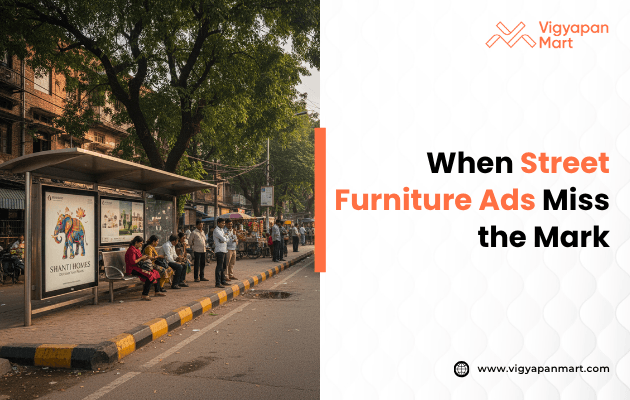
Street furniture advertising is all around us in cities, on bus shelters, benches, and kiosks. These ads are powerful because they are placed right at eye-level, where thousands of people see them every day. In fact, studies show that about 85% of people recall street furniture ads after seeing them. But while the potential is huge, many campaigns fail to deliver real results. When street furniture ads miss the mark, brands lose money, and the message gets lost in the noise. This blog explores some of the most common reasons street furniture ads fail, backed by facts and examples. We’ll also cover the lessons learned from these mistakes.
What is Street Furniture Advertising?
Street furniture ads are out-of-home (OOH) advertisements displayed on:
- Bus shelters
- Benches
- Kiosks
- Transit shelters
- Urban panels
These locations are chosen for maximum visibility and engagement. Brands use them to connect with people on their daily routes, commuters, residents, and shoppers.
When Street Furniture Ads Go Wrong?
1. Ignoring the Target Audience
One of the biggest mistakes in street furniture advertising is not understanding the audience. Ads that don’t speak to the needs or interests of the viewers get ignored. For example, promoting trendy sneakers in an area popular with seniors may not generate the desired response.
Lesson: Always research the demographics, preferences, and behaviors of your target audience before launching a campaign. If your main viewers are commuters, highlight convenience or time-saving benefits in your messaging.
2. Overloading the Design
People only look at street furniture ads for a few seconds, often while walking or waiting. If the design is crowded with too much text or too many images, the message becomes confusing. Complex designs also fail to stand out in a busy urban environment.
Lesson: Use simple headlines, bold visuals, and a clear call-to-action (CTA). Focus on easy-to-read content so your message sticks with viewers, even if they’re only glancing at the ad.
3. Poor Location Selection
Location is everything. Ads placed in areas with low foot traffic or an irrelevant audience don’t get enough attention, wasting money and resources. For example, placing ads for student discounts in business districts on weekends isn’t effective.
Lesson: Choose locations based on foot traffic pattern and audience relevance. The best placements are where your target customers walk or wait regularly.
4. Neglecting Maintenance
A broken, faded, or dirty ad damages your brand's image. Maintenance is often ignored, but street furniture is exposed to weather and public wear-and-tear.
Lesson: Regularly inspect your ad placements. Work with vendors committed to keeping your displays clean and well-maintained.
5. Failing to Use New Technology
Today’s city dwellers expect more than just static posters. Digital, dynamic, and interactive ads increase engagement and recall. When brands stick to outdated methods, the ads feel irrelevant, especially for younger audiences.
Lesson: Use technology to your advantage. Try adding QR codes, augmented reality (AR), or digital displays that change with the time of day or weather. These upgrades make ads smarter and more memorable.
Other Pitfalls: Monopoly and Lack of Creativity
The street furniture advertising industry is sometimes controlled by big companies that act more like landlords than creative marketers. This can lead to boring, unoriginal ads and slow adoption of new technology.
Fact: The company must approach with a different mindset, looking for more creative, interactive, and community-focused partners for its street furniture program. The lesson? Brands and cities must push for innovation; not just treat street furniture as rental space.
Market Trends and Challenges
According to recent market reports:
- Urbanization: Cities are growing, creating more opportunities for street furniture ads.
- Technology: Digital displays and interactive features are becoming more common.
- Regulation: Strict city rules on ad placement and design can limit creativity.
- Competition: Online and social media advertising draw away budgets.
But visual pollution that is too many ads in one area can frustrate city residents and reduce ad effectiveness. Brands must balance visibility with public approval.
What Makes Street Furniture Ads Work?
When done right, street furniture ads can:
- Boost brand recognition in the community.
- Engage people with timely, local messages.
- Provide long-term brand presence (better for evergreen, not quick promos).
Emerging strategies include:
- Programmatic buying for better targeting.
- Using eco-friendly materials and minimizing waste.
- Augmented reality for fun, interactive experiences.
Conclusion
Most street furniture advertising failures come from ignoring the audience, poor design, bad locations, lack of maintenance, and failure to innovate. Brands that learn from these mistakes create more engaging, memorable, and effective ads.
Remember: Sometimes, failure is the best teacher. By analyzing what went wrong, street furniture advertising can evolve and truly stand out in our busy cities. If you want to make sure your street furniture ads really work and leave a lasting impression, why not take the next step? Book a free consultation with Vigyapan Mart today, and let’s create outdoor ads that truly speak to your audience and bring your brand to life.
Subscribe to our newsletter
Get updates instantly! Join our community for the latest marketing insights.