
Bus Shelter Branding: Benefits and Innovations for 2026
Bus shelter branding in 2026 is evolving with digital screens AI targeting and sustainable designs. Offering high visibility long dwell time and measurable ROI it helps brands connect with urban audiences through interactive cost effective and hyper local outdoor advertising.
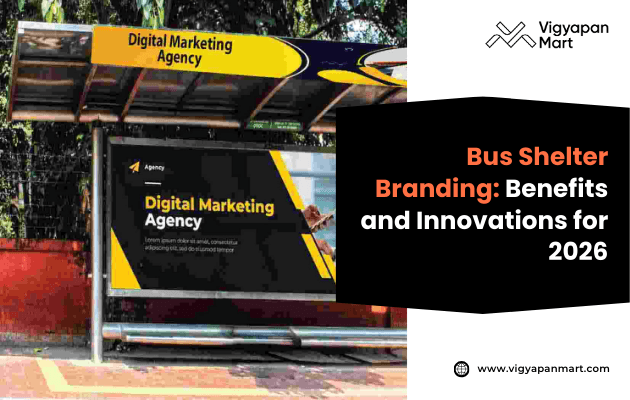
Imagine this: You stand at a busy bus shelter while it’s raining. Suddenly, you see a big screen showing a new car zooming by. You smile and remember the brand. This is how bus shelter ads work. It means putting ads on bus stops. Earlier, it was a poster; today, its screens. Now, in 2026, the bus shelter advertisements are gaining a huge update with AI and real-time digital technologies. Results? Brands can enjoy huge reach at low cost while commuters can see ads that are immersive, entertaining, and curated to real-time events. Now, the question is what’s new for bus shelter ads in 2026? In this blog, we will discuss just that. Read this blog completely, and you will get to explore the benefits of bus shelter ads and how your next campaign should follow.
Why Bus Shelter Branding Gives Great Returns?
Bus shelters sit in high-traffic spots. Every day, lakhs of people pass by in cities and small towns. This gives brands an unlimited queue of audience, ready to see their ads while waiting. Unlike TV or online ads, people can’t skip these, so they wait. This increases their viewership and chances of selling the products. But that’s not all. Here are some of the solid benefits of bus shelter ads in 2026.
1. Extensive Reach and Visibility
Boosting with real-time digital updates via 5G and cellular routers, bus shelter ads can adapt to weather or location. Only this factor can boost impressions 24/7 without blackouts. Moreover, interactive and entertaining bus shelter ads can hit lakhs of daily commuters, pedestrians, and drivers. This can go even more if we count the social media impressions for your interactive, AI-powered ad videos.
2. Cost-Effectiveness
These bus shelter ads cost less than traditional TV ads or sometimes online ads as well. Considering their long dwell times (5-15 minutes) and repeated exposure, they are highly fruitful to brands. Moreover, there will be more solar-powered screens in 2026, cutting energy bills and making it even cheaper.
3. Targeted Local Reach
Brands can go hyper-local bus shelter advertising considering the location of the shelter. Curate your ad based on the nearby highlights such as offices, colleges, or markets. This approach works wonders with geo-fencing and data-driven personalisation, showing relevant ads based on time, demographics, or local trends
4. High Engagement and Recall
Bus shelter ads are no longer static. They have become interactive, and with AR, they can create fun experiences for people. Imagine enjoying a virtual try-on of glasses or bags while waiting for your next bus. This boosts engagement and tracks every QR scan and sensor interaction.
5. 24/7 Brand Building
Bus shelter ads run non-stop, building familiarity through everyday broadcasting. This ensures uptime even on moving buses or remote shelters.
6. Sustainability Edge
Using sustainable materials and solar power will be more appealing to the eco-conscious consumers. Moreover, by 2026, the government laws about bus shelter ads will be stricter for all.
7. Measurable Results
Modern digital bus shelter ads can track the results too. With tech like QR codes, footfall counters, and AI analytics, they can track scans, visits, and sentiment. This will be a huge power factor for brands, increasing ROI like never before.
Cutting-Edge Innovations for 2026
2026 will be the year of tech magic for bus shelters. It will be more screens talking back to the audience and interactive displays that would link to a product or game. But why this change? People are bored of the same boring ads. Now, they want immediate access to the services or entertainment as an advertisement. Remember- fun pulls crowds.
AR will be at the forefront of it. Imagine seeing a 3D car spin or a recipe cook while waiting for the bus. This will also help brands go viral on social media. We will also see a greater number of greener bus shelter ads, solar powered screens and recycled materials replacing the traditional vinyl paper. Real-time ad curation will also be the centre of attraction for people. Ad screens will spot the weather or time and show ads accordingly. For example:
- Rain: Water shoes promo
- Nighttime: Dinner offered at a nearby restaurant.
Key trends of Bus Shelter Ads
- 5G for live video feeds, like traffic updates with your ad.
- QR to NFT will track all the engagement happening.
- Sensors count feet and moods for improved reports.
- Tie with apps. Now people can see ads, book a cab or order food.
Conclusion
In 2026, bus shelter ads will be more interactive, digital, eco-friendly, and fun. Results? It will attract more people and drivers alike. Hyper-local ads with region-specific advertising will also rule the market. Innovations such as AR, AI, and solar will also make ads alive and green. These benefits will make the bus shelter ads more accessible to brands in Tier-2 and Tier-3 cities, looking for affordable advertising methods. What does this all mean? Everything we have discussed here can be your next big campaign. Want to explore the 2026 bus shelter ads? Connect with Vigypan Mart, bus shelter advertising in India.
Subscribe to our newsletter
Get updates instantly! Join our community for the latest marketing insights.