
Omnichannel OOH: Integrating with Digital in 2026
This blog explains omnichannel OOH advertising in India for 2026 highlighting how outdoor media integrates with digital platforms QR codes analytics and first party data to create measurable customer journeys across urban and rural markets
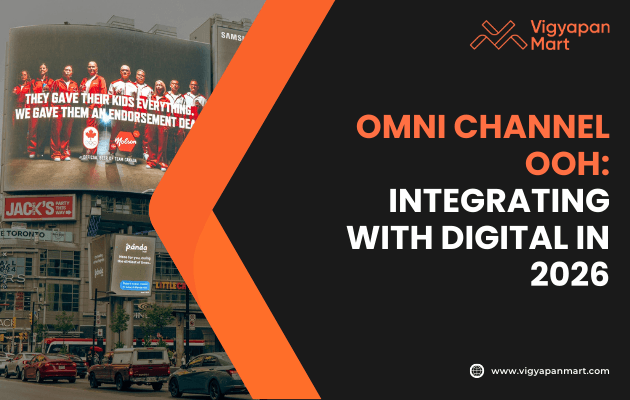
In 2026, out-of-home (OOH) advertising is changing fast in India. Billboards and bus shelters are no longer just static boards. They now connect with mobile apps, social media, and online shops. Results? A smoother journey for customers and a precise method for brands to track their advertisements. Connecting all media of advertising is called omnichannel OOH. In simple words, this method mixes traditional OOH with digital tools. Several reports have confirmed that India's OOH market will grow to over ₹7,000 crore by 2026, especially with the rise of digital out-of-home (DOOH). But success will come to brands that will care to integrate their ads and not run standalone ads. For example, brands see more conversions when OOH ads lead to digital actions such as scans or clicks. In a world without third-party data, this fusion offers you real-time targeting and measurement.
The Rise of Omnichannel OOH in 2026
Omnichannel OOH advertising is booming because of tech like 5G and AI. It means that static hoardings are giving way to digital screens that change content based on time or weather. However, rural areas still focus on static vinyl paper billboards; the dynamics are changing. Consumers are clearly witnessing a shift due to smartphone penetration. Programmatic DOOH lets advertisers buy ad space in real-time, just like Google Ads. This means brands can buy spots in seconds. Moreover, the global trends are showing a huge rise in DOOH ads by 2026. In India, with urban migration and festivals, digital OOH ad screens on metros and highways can easily grab attention and help brands reach all travellers, commuters, employees, and rural and urban audiences together.
Core Strategies for Seamless Integration
- Unified Data with CDPs: Link the OOH ads to online actions using customer data platforms. Leverage geofence technology billboards to retarget the nearby users on Instagram. This will help you create personalised follow-ups without cookies.
- Add Interactivity via QR/NFC: Use QR codes or NFC on ads. They provide an instant jump for the consumers. For example, car brands link billboards to AR Reels for virtual test drives and offers.
- Measure End-to-End with Tools: Measure all the metrics, such as footfall, store visits, and app downloads from OOH ads. Brands can use AI camera analysis to spot demographics and swap content for women, men, and kids accordingly.
- WhatsApp Business Integration: Utilise OOH ads with QR codes to open your WhatsApp business directly. This simple idea can open direct chats for sales queries. Results? This turns passive views into conversations, boosting conversions in urban and rural markets alike.
Key Challenges in Omnichannel OOH-Digital Integration
Here are the main hurdles pulled from the section, listed clearly:
- High setup costs for digital screens and tech.
- Data privacy concerns under regulations.
- Poor internet connectivity in rural areas.
What Brands Should Use for Maximum Omnichannel OOH Ad Results?
1. Partner with DOOH Advertising Agencies
These Indian DOOH advertising agency specialists simplify buying ad space programmatically. They handle inventory, real-time bidding, and installation, cutting costs by 30-40% through shared networks. Results? You don’t need to build your own system. Just partner with these agencies and scale from Delhi Metros to Tier-2 highways.
2. Start with pilots in high-traffic spots
Test your ad campaign in small, busy urban areas like Delhi malls or Mumbai stations, where 5G is reliable. Next, measure quick wins such as QR scans to app traffic before you plan to expand. This minimises the risks, proves ROI to stakeholders, and builds data for tweaks. Such an approach is ideal for budget-conscious Indian brands.
3. Use first-party data from loyalty apps
Collect your own data via apps or WhatsApp sign-ups. Try to avoid the third-part cookies. This complies with India’s laws, ensuring consent-based targeting. For example - Link OOH exposure to loyalty points, retargeting verified users safely and boosting trust.
4. Budget 15-20% for tech, expect quick ROI
Allocate modestly for tools like QR generators or analytics software. This helps you secure better returns fast. Track metrics like attribution rates to justify spend, making it sustainable for SMEs in rural marketing.
Conclusion
Don't lag, audit your campaigns today. Add interactive elements, partner for DOOH, and track every journey. With 5G expanding, early movers in Tier-2 cities like Ghaziabad will dominate. Embrace this shift for seamless customer connections and real growth. The future of marketing is here, integrated, smart, and unstoppable. Act now! Omnichannel OOH fused with digital is ready to change the future of advertising in 2026. It turns simple billboard glances into sales through QR scans, AR experiences, and app retargeting. Results? Indian brands that need to win the rural and urban market, can gain measurable ROI by bridging offline reach with online precision. With 5G expanding, it's your turn to move into Tier-2 with the power of digital technology and watch seamless customer connections and real growth. The future of marketing is here, integrated, smart, and unstoppable. Looking for a seasoned OOH advertising agency? Connect with Vigyapan Mart today.
Subscribe to our newsletter
Get updates instantly! Join our community for the latest marketing insights.