
When Guerrilla Marketing Backfires: Legal and Ethical Risks?
Guerrilla marketing is bold and creative but risky. Learn how legal issues, ethical concerns and public backlash can turn campaigns into brand damaging mistakes.
Published April 13, 2026
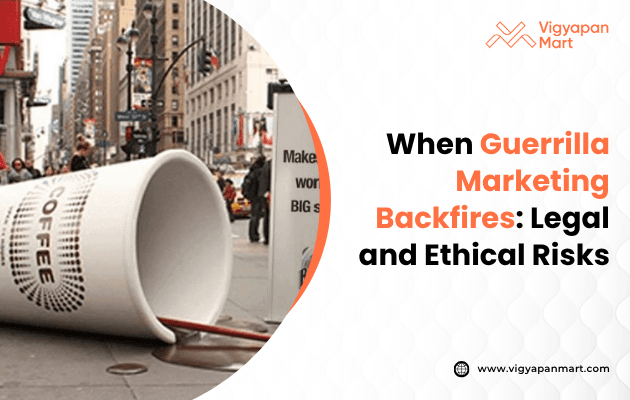
Guerrilla marketing is a creative, unconventional approach designed to generate buzz and capture attention through surprise tactics, often in public spaces and at a lower cost than traditional advertising. While these campaigns can be highly effective, their non-traditional nature also means they carry significant legal and ethical risks that, if mismanaged, can backfire, causing reputational, financial, and legal harm. Understanding these risks is crucial for marketers aiming to engage audiences without crossing lines that jeopardize consumer trust or violate regulations Guerrilla marketing, while known for its creativity and potential for viral success, carries significant legal and ethical risks that can backfire and negatively impact a brand.
Legal Risks
Permits and Permissions
Many guerrilla tactics such as pop-up events, flash mobs, or public installations—require local permits or property owner approval. Failing to secure these can result in fines, forced shutdowns, or removal of materials. Unauthorized campaigns in cities such as New York, Los Angeles, and Chicago have led to fines starting at several hundred dollars per violation, with escalating penalties for repeated offenses.
Public Nuisance and Safety
If a campaign disrupts public order, blocks traffic, or creates safety hazards, authorities may classify it as a public nuisance, leading to lawsuits or even criminal charges. Notable incidents include the 2007 Boston LED sign stunt, which caused a bomb scare and resulted in a $2 million settlement.
Intellectual Property Violations
Using copyrighted music, images, or slogans without permission exposes brands to lawsuits and demands for royalties.
Truth-in-Advertising and Consumer Protection Laws
Deceptive campaigns with mislead, exaggerate claims, or use false narratives can violate consumer protection laws. The Federal Trade Commission enforces regulations prohibiting unsupported advertising claims.
Privacy Laws
Tactics that collect data or communicate with consumers without consent (such as unsolicited texts or emails) can run afoul of laws like the TCPA and CAN-SPAM Act, leading to substantial fines.
Ethical Risks
Deception and Lack of Transparency
Blurring the line between reality and advertising (e.g., paid actors posing as bystanders) can lead to public backlash for deception, damaging trust and reputation.
Public Safety and Distress
Campaigns that startle, inconvenience, or endanger the public such as simulating emergencies or obstructing spaces can cause emotional distress and harm the brand.
Consent and Privacy
Stunts that involve the unsuspecting public without clear consent (e.g., fake news, hidden cameras) may violate individuals’ privacy and dignity.
Reputational Risks and Backlash
- Negative media coverage, social media backlash, and customer outrage can follow campaigns perceived as offensive, disruptive, or misleading. This can result in long-term damage to brand trust and customer loyalty.
Best Practices
- Secure all necessary permits and permissions well in advance.
- Ensure transparency and avoid deceptive tactics.
- Respect intellectual property and privacy laws.
- Design campaigns to avoid public nuisance or safety risks
- Weigh creative ambitions against potential negative impact on brand reputation.
Guerrilla marketing can succeed, but when it backfires, the legal, ethical, and reputational consequences can far outweigh the benefits. Brands should always consult legal experts and carefully consider the public impact before launching such campaigns.
Conclusion
Guerrilla marketing is bold and exciting, but it can quickly turn into a problem if rules and ethics are ignored. What looks fun and creative can cause fines, lawsuits, or damage to a brand’s reputation. The best campaigns balance surprise with safety, permission, and honesty. Following the law and respecting people is just as important as being clever. A good brand doesn’t just grab attention, it earns trust. If you want to explore how to plan guerrilla marketing the smart way, follow Vigyapan Mart. We share ideas, examples, and strategies that show how creativity and responsibility can work together to build campaigns people love and remember without the risks turning into regrets.
Subscribe to our newsletter
Get updates instantly! Join our community for the latest marketing insights.