
Urban Guerrilla Marketing: Flash Mob Innovations
Urban guerrilla marketing uses creativity and surprise to attract city audiences. Flash mob innovations blend storytelling, technology, and social media to help brands connect emotionally, boost engagement, and stand out in crowded Indian urban spaces.
Published April 13, 2026
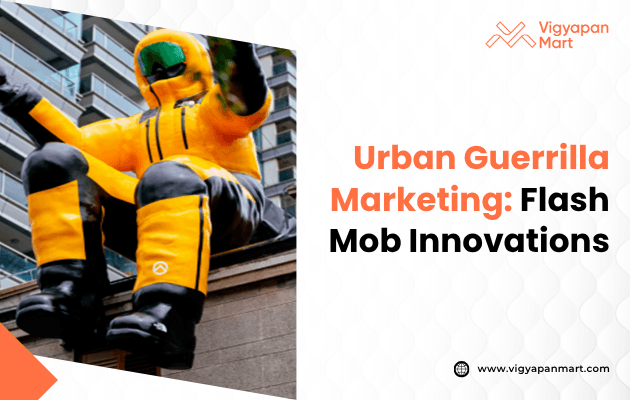
Urban guerrilla marketing is a fresh and exciting way brands catch attention in busy city life. It uses surprise, creativity, and unexpected actions to make people notice a product or message. One popular tactic in this field is the flash mob, where a group of people suddenly gathers to perform a choreographed act in a public place. This blog explores how flash mobs are changing the urban marketing scene, with simple explanations and real examples from India.
What is Urban Guerrilla Marketing?
Urban guerrilla marketing happens in public spaces like streets, parks, or markets. Instead of traditional ads like billboards or TV commercials, it uses creative and unusual methods to engage the public. The goal is to create a memorable experience that people talk about and share, often on social media. Flash mobs are a big part of this. They surprise people with sudden performances, often involving dancing or acting. The thrill of surprise and fun makes flash mobs highly shareable online, increasing the reach of the brand's message far beyond the event itself.
Flash Mob Innovations in Marketing
Flash mobs have evolved from simple dance routines to clever, innovative marketing tools. They combine creativity, technology, and cultural relevance to connect with audiences effectively. Here are some ways flash mobs are innovating urban guerrilla marketing:
1. Storytelling Through Performance
Instead of just random dancing, brands now use flash mobs to tell stories related to their products or values. This approach helps audiences feel connected emotionally. For example, a flash mob might depict a story about clean water awareness if the brand sells water purifiers or eco-friendly products.
2. Tech Integration
Some flash mobs use apps and augmented reality (AR) to interact with the public. Audience members might be invited to scan QR codes or join live polls during the performance. This not only makes the event fun but also collects data or spreads the message digitally, blending physical and virtual marketing.
3. Social Media Focus
Brands plan flash mobs with social media sharing in mind. Professionals record the event, create catchy hashtags, and encourage people to post videos or pictures. Viral videos of flash mobs can reach millions online, amplifying the campaign’s success.
Examples of Flash Mob Guerrilla Marketing
India has seen some brilliant examples where flash mobs helped brands connect with audiences in vibrant urban settings. Here are a few notable ones:
- Vodafone India: To promote a new prepaid plan, Vodafone organized a flash mob in Mumbai's famous Bandra station. Dancers suddenly appeared singing a catchy jingle, surprising commuters. The event was widely shared on social media, boosting plan sales.
- Airtel’s Cricket Campaign: During IPL matches in Delhi, Airtel set up flash mobs near stadiums where groups danced with cricket bats and jerseys. This energised fans and linked the brand closely to cricket passion in India.
- NGO Flash Mobs: Beyond brands, NGOs have used flash mobs for social causes. For instance, Greenpeace India staged flash mobs in Delhi to raise awareness about environmental pollution. These events attracted media coverage and public conversations.
Why Do Flash Mobs Work So Well?
Flash mobs stand out because they create immediate, unexpected joy or surprise. They break the monotony of daily life, making people stop, watch, and remember. Here are some key reasons for their success:
- Emotional Engagement: The fun and creativity of a flash mob create positive feelings connected to the brand.
- Virality: Flash mobs produce great video content that spreads fast on social media platforms like Instagram, YouTube, and WhatsApp, reaching people far beyond the physical location.
- Urban Connection: Flash mobs fit naturally into busy Indian cities, where crowds gather at stations, malls, or markets, offering the perfect stage for surprising acts.
- Cost Effectiveness: Compared to expensive TV or print ads, flash mobs can be budget-friendly and yield high engagement.
Planning a Successful Flash Mob Campaign
Successful flash mob campaigns need good planning. Here’s a simple breakdown:
- Choose the Right Location: Busy urban areas with lots of foot traffic are ideal, such as railway stations, malls, or popular public squares.
- Story and Theme: Design the performance to connect clearly to the brand or message. A story or theme helps people remember the event.
- Talented Performers: Hiring skilled dancers or actors ensures the performance impresses and entertains the audience.
- Capture and Share: Use professional videographers and social media experts to record and promote the event online.
- Timing is Key: Plan the event at times when the location is crowded and people are likely to engage.
Future Trends in Flash Mob Marketing
Flash mob marketing continues to evolve with new technologies and marketing tactics:
- More use of AR and VR could turn flash mobs into immersive experiences.
- Collaborations with influencers might add more reach and authenticity.
- Increased use of localized themes to connect deeply with city culture and traditions.
- Integration with mobile apps and gamification for greater audience participation.
Conclusion
Flash mobs make city life more exciting and help brands connect with people in fun ways. They turn normal places into stages and ordinary moments into stories everyone remembers. For brands, it’s a fresh way to stand out and spread joy at the same time. In India’s lively streets and malls, these surprise acts bring energy that no billboard can match. At Vigyapan Mart, we love creating such moments that make people smile, pause, and talk about your brand long after the music stops. Imagine your next campaign turning into a crowd’s favorite memory that’s what we help make happen. Let’s bring that spark of surprise to your brand’s story together.
Subscribe to our newsletter
Get updates instantly! Join our community for the latest marketing insights.