
QR Codes and Mobile Integration in Urban Street Furniture Ads
QR codes and mobile integration are reshaping street furniture advertising by bridging offline displays with digital actions. They make ads interactive, trackable, and customizable, helping brands connect with urban audiences while offering convenience, engagement, and measurable marketing results.
Published August 13, 2025 · Updated April 13, 2026
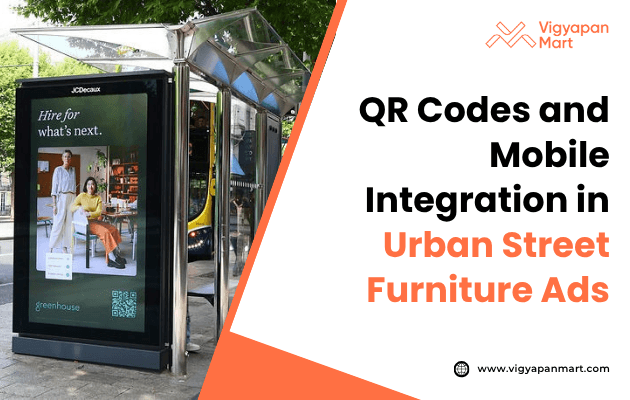
Urban spaces are alive with advertising. Billboards, posters, bus stop shelters, benches, all these pieces of “street furniture” catch our eyes as we move through the city. But what if these ads did more than just grab your attention? What if they could help you take action on the spot? That’s where QR codes and mobile integration are changing the advertising game.
What Are QR Codes and Why Are They Everywhere?
A QR code looks like a square filled with little black-and-white boxes. It acts as a digital shortcut. Anyone with a smartphone can scan it using their camera, no special app needed. In just seconds, the QR code links to information or takes you to a website, video, social media page, or any digital content the advertiser wants you to see.
Why are QR codes so popular?
- Easy to use: Most people carry smartphones, and scanning a QR code takes just a second.
- Cost-effective: Businesses can create QR codes for free or at a low cost, making them great for big and small advertisers.
- Bridge online and offline: QR codes connect physical ads directly to digital experiences.
How Street Furniture Ads Use QR Codes?
“Street furniture ads” are advertisements placed on things like bus shelters, benches, kiosks, and even trash cans, basically, everyday items we encounter in cities. What makes these ads special is their location: they’re at eye level and right where people wait or walk by.
By including QR codes, advertisers turn simple ads into interactive experiences. For example:
- A restaurant ad at a bus stop can include a QR code that gives directions or shows today’s menu.
- A store ad on a bench can link to a coupon or appointment booking page.
- A city tourism poster can offer a virtual map or an AR (augmented reality) experience with just a scan.
Fact: Combining outdoor ads with QR codes can boost ad awareness by up to 200%.
Why Mobile Integration Makes Street Furniture Ads Powerful?
Mobile integration means connecting the physical ad experience with your smartphone. This lets advertisers do more than just show you a message, they can get you to act immediately.
Benefits:
- Actionable: Instead of just seeing an ad, you scan the QR code and take action, book an appointment, watch a demo, follow a social media page, or claim a discount.
- Trackable: Marketers know how many times the code was scanned, when, and even what type of device was used. This helps them measure how successful their campaigns are, something old-school billboards can’t do.
- Customizable: Dynamic QR codes (that can be updated after printing) allow businesses to change the content without changing the physical ad.
What You Need to Know About Urban Marketing Insights?
Let’s look at some important stats and trends:
- Street furniture advertising is highly visible: 43% of people who notice these ads visit the advertised store, and 24% do so right away.
- Local Impact: 39% of people notice ads showing directions to a store, and 20% visit immediately, 74% of these visitors make a purchase.
- Adoption is rising: There was a 20% increase in QR codes created for marketing from 2022-2023 to 2023-2024.
- Mobile devices are critical: 72% of US digital ad spend is on mobile because that’s where most people access the internet.
Real-World Examples to Understand
Street furniture ads with QR codes are everywhere, from big cities to suburban neighborhoods:
- Retailers use QR codes to share customer reviews, videos, or AR experiences that let you “see” items in your home before you buy.
- Public services use street furniture with QR codes for free WiFi, emergency information, or city maps, adding real value to the community.
- Local businesses can target neighborhoods directly, offering special deals just to people nearby, a great way to compete with bigger brands.
The Future: More than Just Ads
Interactive technology is transforming simple street furniture into “smart” public fixtures:
Touchscreens, motion sensors, and NFC (Near Field Communication) are being added alongside QR codes, making waiting at a bus stop more engaging. These technologies turn ads into games, survey points, or virtual stores, sometimes even offering phone charging or public WiFi.
Conclusion:
QR codes and mobile integration are redefining the way people interact with urban street furniture ads, turning them from static displays into actionable gateways. By merging convenience with digital engagement, these ads create a direct bridge between brands and consumers, whether it’s offering instant discounts, booking services, or providing immersive experiences. For marketers, the ability to track, customize, and update campaigns in real time makes QR-enabled street furniture a smart and measurable investment. As cities and consumers grow more digitally connected, this blend of offline and online engagement will only become more powerful. If you’re looking to leverage QR codes and mobile-first solutions for urban advertising, Vigyapan Mart can help you strategize. Schedule a consultation to explore how.
Subscribe to our newsletter
Get updates instantly! Join our community for the latest marketing insights.