
Storyboarding Out-of-Box Activation Concepts
Storyboarding helps brands turn creative activation ideas into clear plans. This blog explains its importance, steps, and real Indian examples to design engaging out of box brand experiences that connect emotionally and leave a lasting impact.
Published December 8, 2025 · Updated April 13, 2026
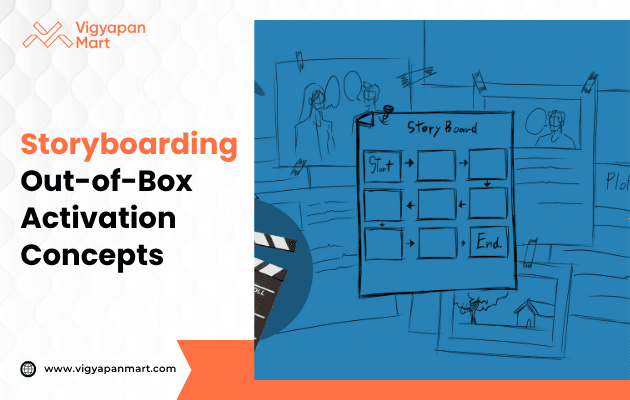
Storyboarding is a key step when creating fresh and impactful marketing activations. It helps shape creative ideas into a clear plan. When brands want to stand out, especially in India’s bustling market, storyboarding out-of-the-box activation concepts can take them far. This blog explains what storyboarding means, why it matters, and how to do it effectively for unique brand activations.
What is Storyboarding?
Storyboarding is like drawing a comic strip of your idea before executing it. Imagine a series of pictures that show what will happen step by step in your campaign. Each picture or frame shows part of the story, like what a person sees, does, or experiences. The purpose is to visualize the concept clearly so the whole team understands it the same way. Storyboarding was first used in movies but now is vital in advertising, especially for creative activations that aim to surprise and engage.
Why Storyboard for Out-of-Box Activations?
Out-of-box activations are creative, unexpected marketing experiences that grab attention. They often happen in real life such as pop-up events, interactive displays, or brand experiences that invite customers to connect beyond traditional ads.
Storyboarding here helps because:
- It organizes wild ideas into a clear plan.
- It shows the flow of actions and user interactions.
- It allows teams to spot challenges early and improve designs.
- It helps communicate the idea to clients and partners easily.
In India, where many brands compete for attention, storyboards help ensure activation campaigns are smooth and memorable.
Steps to Create a Storyboard for Out-of-Box Concepts
1. Understand Your Goal
Before drawing anything, know what your activation should achieve. Is it to educate, entertain, increase sales, or build awareness? For example, if a brand wants to promote a new eco-friendly product, the goal might be to highlight its sustainability in an engaging way for Indian shoppers who value green living.
2. Write a Simple Script or Narrative
Write down the story your activation will tell. Keep sentences short and clear. Imagine telling a small story: A visitor sees a poster, interacts with an activity, learns about the product, and leaves excited. This forms the basis of your storyboard.
3. Divide the Story into Scenes
Break the narrative into key moments or actions, this could be setting up the activation, the visitor’s arrival, their engagement steps, and the conclusion or call to action.
4. Draw the Frames
You don’t need to be an artist. Simple sketches, photos, or even clipart will do. Each frame shows one scene with notes or dialogues if needed. For example, if an activation includes an interactive wall, draw how a person approaches it, touches it, and what happens next.
5. Add Details and Connect Frames
Include arrows or notes that explain how one scene leads to another. Mention any special props, sounds, or tech effects used. This helps everyone see how the story flows and what the experience feels like from start to finish.
Examples of Out-of-Box Activation Storyboards
1. Maggi’s “24-Minute Cooking Challenge”
Maggi, a popular noodle brand, ran live cooking challenges that engaged families and young cooks around India. Their storyboard showed each step from inviting participants to the cooking stations, the timers ticking down, to the final tasting and celebration. This helped the team plan logistics and visuals perfectly to create excitement and participation across cities.
2. Amul’s Wall of Fame
Amul is known for witty ads. For a campaign activating in college campuses, they storyboarded an interactive “Wall of Fame” where students could see their photos with fun Amul slogans. The storyboarding covered how students walked up to the wall, clicked photos, and shared them on social media. This planning made the activation seamless and social-media ready.
3. Fevicol’s Sticky Challenge
Fevicol launched a physical challenge where participants had to stick objects together using Fevicol glue. The storyboard visualized the participant’s journey: signing up, trying the challenge, getting feedback from brand ambassadors, and receiving rewards. By storyboarding, the brand made sure the challenge was fun and easy to understand on spot.
Tips for Effective Storyboarding in Activations
- Keep it simple and clear: Use short sentences and simple drawings.
- Focus on the audience’s experience: Think about what a visitor sees, hears, and feels.
- Include emotions: Show moments where the audience smiles, is surprised, or learns something new.
- Use Indian cultural elements: Incorporate local language, festivals, or references to make the activation relatable.
- Test before finalizing: Share the storyboard with teammates or small focus groups for feedback.
Common Mistakes to Avoid
- Overcomplicating frames: Don’t clutter frames with too much detail.
- Skipping the flow: Every frame should connect logically to the next.
- Ignoring user perspective: Don’t just show the brand; show how people interact with it.
- Forgetting the call to action: Each storyboard should end showing what visitors should do next.
- Not adapting to the Indian market: Avoid generic global concepts that may not resonate locally.
Why Indian Brands Need Out-of-Box Activations?
India’s consumers are savvy and see tons of ads daily. To break through this noise, brands must create experiences that surprise and engage. Out-of-box activations provide a memorable way to do this. Storyboarding ensures these activations are well thought-out and impactful. For example, during festivals like Diwali or Holi, brands can use storyboards to design colorful, interactive events that connect deeply with Indian emotions and traditions. This helps build strong, positive brand feelings that last beyond just an ad.
Conclusion
Storyboarding helps turn creative ideas into clear and exciting brand stories. It shows each step of an activation before it happens, making the plan easy for everyone to follow. For brands in India, it’s a smart way to make branding campaigns more fun, local, and memorable. A well-made storyboard can turn imagination into an experience people love and talk about. At Vigyapan Mart, we enjoy bringing such stories to life from sketches to real-world brand moments. If you have an idea waiting to shine, let’s draw it together. We’ll help you shape it frame by frame until it becomes an activation that connects with people and leaves a lasting impression.
Subscribe to our newsletter
Get updates instantly! Join our community for the latest marketing insights.