
Street Furniture as a Tool for Nonprofit Awareness
Street furniture advertising offers nonprofits a cost-effective way to raise awareness, engage communities, and inspire action. From benches to bus shelters, these public spaces transform into powerful platforms for visibility, creativity, and meaningful connections with the public.
Published April 13, 2026
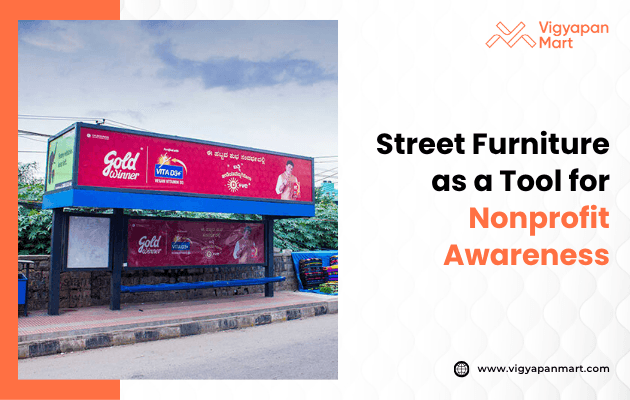
Street furniture is all around us. Walk through any city or town, and you’ll see benches, bus stops, trash cans, signs, bike racks, and more. These objects are not just for sitting, waiting, or throwing things away; they are also powerful tools for sharing messages and connecting with the community. For nonprofits, street furniture can be a smart, cost-effective way to spread awareness and inspire action.
What Is Street Furniture?
Street furniture refers to objects and equipment placed along streets and public spaces for different uses. Here are some common examples:
- Benches
- Bus shelters
- Public trash bins
- Kiosks
- Bike racks
- Signs
- Lamp posts
These items are placed in areas where people walk, wait, and gather. That means street furniture is constantly visible to pedestrians, drivers, and commuters.
Why Use Street Furniture for Nonprofit Campaigns?
Visibility: Street furniture is found in high-traffic places. This ensures your message is seen by hundreds or thousands daily.
Engagement: It catches people’s eyes in everyday moments when they’re not distracted by phones or screens.
Cost-effective: Compared to TV or digital ads, using street furniture can be a more affordable way to reach a large local audience.
Local impact: Messages on street furniture feel more community-focused and relevant, often inspiring more trust than online ads.
Fact
Studies show that outdoor advertising, including street furniture, captures more attention and has longer exposure times than many other forms of media.
Real Examples: How Nonprofits Use Street Furniture?
Let’s look at some creative ways organizations have used street furniture for nonprofit causes:
1. Artistic Trash Bins for the Environment
A city’s waste management department teamed up with local artists to decorate public trash bins. These colorful bins made people notice messages about recycling and keeping the city clean. The bins became attractions themselves, encouraging both proper waste disposal and public art appreciation.
2. Park Bench Storytelling for Literacy
A publishing company placed benches decorated with book excerpts in parks. People could sit and read a short story while relaxing. This helped promote reading culture and created a buzz about local literacy programs.
How Can Nonprofits Benefit?
Nonprofits can use street furniture in several impactful ways:
- Raise awareness: Display facts, stories, or graphics about their cause right where people are most likely to notice.
- Promote events: Share campaign dates or donation drives on bus stops or benches.
- Encourage donations: Place QR codes on kiosks that link to donation sites.
- Support inclusivity: Design benches and facilities that highlight the needs of people with disabilities, promoting messages about access and equality.
Creating Meaningful Campaigns
Here’s what makes a street furniture campaign effective:
Strategic Placement: Choose locations near parks, schools, or busy intersections so the message reaches the right people.
Clear Messaging: Keep words simple and graphics bold. People often only look for a few seconds.
Creative Design: Use art, storytelling, or interactive elements to spark curiosity.
Community Involvement: Work with local artists, youth groups, or schools to design and promote the furniture.
Facts to Remember
- Street furniture advertising puts messages at eye level, perfect for reaching people on foot or waiting at stops.
- Outdoor campaigns aren’t affected by ad blockers or skipped like TV commercials; they’re always there.
- Modern technology lets nonprofits use smart benches or kiosks with digital screens, rotating through several messages or updates.
- Inclusive and well-designed street furniture can make neighborhoods safer, healthier, and more welcoming for all, supporting broader nonprofit goals of equality and access.
Getting Started: Tips for Nonprofits
- Start small: Try one bench, bin, or bus stop at a time, measuring how many people engage.
- Partner up: Work with city councils, local businesses, or artists to share costs and ideas.
- Gather feedback: Ask the public what messages or designs inspire them most, and adjust future campaigns.
- Measure success: Count impressions (how many people pass by), collect donor data (QR code scans), or survey local awareness after the campaign.
Conclusion
Street furniture offers nonprofits a unique, community-driven way to spark awareness, encourage action, and build lasting connections with the public. Whether through benches, bus stops, or bins, these everyday touchpoints can transform into powerful storytelling platforms that inspire change. By combining creativity with strategic placement, nonprofits can maximize visibility while keeping costs effective. Ready to make your cause visible through Street Furniture Advertising where it matters most? Book a consultation with Vigyapan Mart experts today and let’s design impactful street furniture campaigns together.
Subscribe to our newsletter
Get updates instantly! Join our community for the latest marketing insights.