
Street Furniture Ads for Political and Civic Campaigns
Street furniture plays a vital role in political and civic campaigns by offering high visibility, cost effectiveness, and targeted reach. From bus shelters to benches, it provides a sustainable way to engage communities and leave lasting impact responsibly.
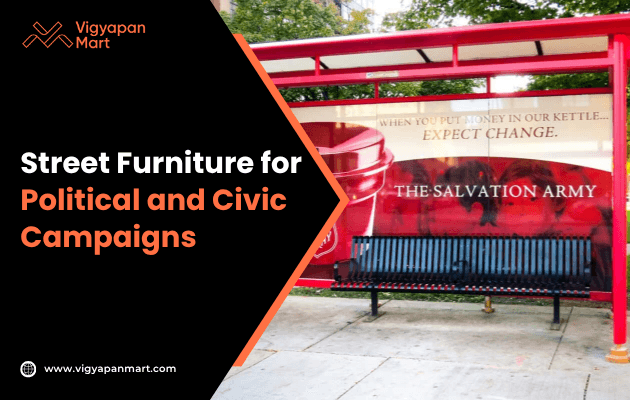
Street furniture plays a big role in our daily lives. Whether you know it or not, you see these items all the time at places like bus stops, benches, trash cans, light poles, and even phone booths. These structures do more than just help cities look better. They’re also powerful tools for political and civic campaigns. In this blog, we’ll explore how street furniture is used in campaigns, share important facts, and discuss why it matters for both politicians and communities.
What is Street Furniture in Campaigns?
Street furniture refers to public fixtures and amenities like bus shelters, benches, trash cans, kiosks, lamp posts, and more. When it comes to advertising and awareness, these everyday objects become valuable because they are at eye level and located where many people walk or wait.
Common Types Used in Campaigns
- Bus shelters: Popular for large posters seen by commuters.
- Benches: Space for ad panels or stickers right where people sit and wait.
- Kiosks and light poles: Can host posters or digital displays.
- Trash cans: Durable and often in central places, ideal for getting attention.
Why Use Street Furniture for Campaigns?
Political and civic campaigns use street furniture because:
- Visibility: Ads or campaign messages reach pedestrians, drivers, and commuters alike. Imagine waiting for a bus and seeing a candidate’s promise right in front of you.
- Affordability: It’s much cheaper compared to giant billboards or TV spots. The cost of putting up an ad at a bus stop can be half (or less) of what some digital campaigns cost.
- Frequency: People see these messages multiple times a day, strongly reinforcing them.
- Targeting: You can pick locations based on where voters live, work, or study.
Street Furniture Facts and Data
- In major cities, street furniture ads can reach thousands daily because they are placed in busy spots like city centers and highways.
- In places like the U.S. and Europe, the average cost per thousand impressions (CPM) for bus shelter ads is often less than $3.50, much lower than TV or radio ads.
- Digital versions of street furniture are growing in popularity, offering video and interactive tools to make campaigns even more engaging.
Creative Uses in Political and Civic Campaigns
It’s not just about sticking a poster on a bench. Campaigns get very creative:
For politics, this might mean:
- Digital countdown clocks on shelters for election day.
- QR codes on benches that lead to voting info.
- Interactive displays at kiosks for candidate interviews or policy details.
Environmental Impact and Innovation of Street Furniture
A big problem: After election season, campaign materials like posters and signs can be left behind, causing “visual clutter, pollution, and even road safety hazards”. Many cities are now banning campaign posters on public furniture for these reasons.
But there are positive solutions, too
In Brazil, thousands of political sandwich boards were left on sidewalks after elections, clogging streets and making cities look messy. One group, Mobilize Brasil, turned this problem into an opportunity. They collected old boards and turned them into “Political Furniture”-coffee tables, stools, and more, all made entirely from recycled campaign materials. This not only cleans up the city but teaches everyone about recycling and sustainability.
Challenges and Community Response
- Some cities and councils have banned posters on street furniture to reduce clutter and protect community spaces.
- Alternatives such as leafleting, online campaigns, and designated poster boards (not general street furniture) are now recommended in many places.
- Ensuring that campaign materials are easy to remove, leave no damage, and, whenever possible, are recyclable can help both campaigns and cities.
Making Campaigns Matter for Everyone
Street furniture makes campaigns visible, cost-effective, and targeted. But it’s vital to use these tools responsibly. Smart campaigns think about the environment, respect local rules, and try to add value to the community, maybe even leaving behind a piece of furniture instead of a pile of trash.
For a political or civic campaign to stand out, it’s important to:
- Choose street furniture locations wisely.
- Use clear, bold messaging.
- Follow city rules to avoid fines or removal.
- Think about upcycling and recycling at the end of the campaign.
Conclusion
Street furniture gives political and civic campaigns a highly visible, cost-effective, and community-focused way to engage with people in their daily routines. When used responsibly with clear messaging, strategic placement, and eco-friendly practices, it becomes much more than advertising; it becomes a tool for building trust and strengthening civic participation. By blending creativity with responsibility, campaigns can leave a positive impact that lasts beyond election season. Looking to design impactful, sustainable street furniture campaigns? Book a consultation with Vigyapan Mart experts today and let’s make your message stand out responsibly.
Subscribe to our newsletter
Get updates instantly! Join our community for the latest marketing insights.